












Career Development
Top 5 Strategic Skills Employers Want in 2027

Last Reviewed: 14 October 2026 - 5 min read
In the coming decade, career success will hinge on mastering the relationship between technical expertise and social competence. As industries evolve at an unprecedented pace, the most sought-after professionals will be those who can adapt quickly and leverage evolution for innovation.
However, this shift is already reshaping what employers value in the workplace. Beyond technical proficiency, organisations are looking for candidates who take ownership of their roles, offer constructive feedback, and boost team morale.
From tech savvy to emotional intelligence, this blog explores the five most desirable strategic skills employers are looking for as we barrel toward a future defined by constant change.
1. Strategic Leadership: Taking Ownership of the Everyday

Whether in a fast-paced startup or a corporate office, traditional workplace hierarchy is giving way to a more fluid and collaborative approach in which a social media intern actively brainstorms business strategy alongside the CEO.
In today’s world, roles are no longer simply defined by titles, and the prospect of moving up the corporate ladder may soon be a thing of the past. Instead of directing, leaders in this new era actively interact, invent, and collaborate alongside their teams—they make changes happen.
What does strategic leadership actually mean?
It’s important to know the difference between a leader and a manager; contrary to popular belief, the terms are not one and the same.
Management focuses on organising, delegating, and executing tasks to achieve goals. Strategic leadership, on the other hand, involves inspiring and guiding employees toward a vision while streamlining processes. It doesn’t come with a title either—it’s a mindset.
Strategic leaders put in the work, motivate, and actively build a workplace environment where everyone feels empowered to contribute their ideas.
In a startup, for example, where individual ownership is highly prized, each single project could end up having its own leader, independent from the team’s manager. Everyone can drive the leadership bus in this new era.
2. Big Picture Thinking: Considering the Broader Context
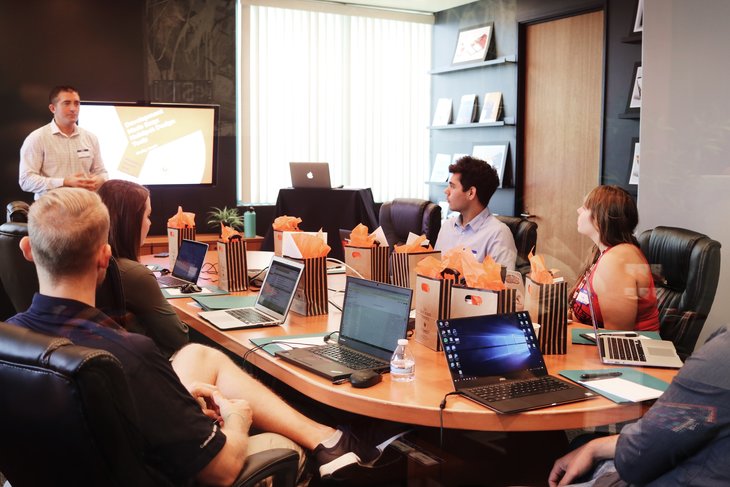
In a world where technology handles the mundane, it’s the human ability to create that pushes companies forward. Whether it's coming up with new product ideas, improving processes, or solving unexpected challenges, the human mind is the only machine capable of considering the broader context of situations.
In recent years, the workplace has become more interconnected than ever before. Creative minds who can connect distinct ideas and identify innovative solutions will be the most sought-after professionals. Organisational challenges are rarely isolated anymore; they span teams, departments, and sometimes even regions.
Moving forward, big-picture thinkers will dominate the workplace because they don’t just focus on one narrow issue; they step back, analyse the context, and consider all the moving cogs in the machine.
Holistic thinking is about viewing the workplace as a giant Jenga tower—one where each piece heavily relies on all others to maintain structural integrity. It’s about looking beyond immediate solutions and seeing how your decisions affect the whole.
In today’s world of work, the ability to zoom out and look at the bigger picture will separate emerging leaders from those who simply get by.
For example, consider the marketing team of a company trying to launch a new product.
A generic approach might focus on the product features, pricing, and promotional materials needed. A holistic leader would also consider how the product fits into the company’s mission, its environmental impact, the relationship with the customer, and how this event would affect employee workloads. Recognising the interconnected nature of all these factors, they’ll create a more innovative and sustainable workplace.
3. Effective Communication: Bridging the Gap Between Generations
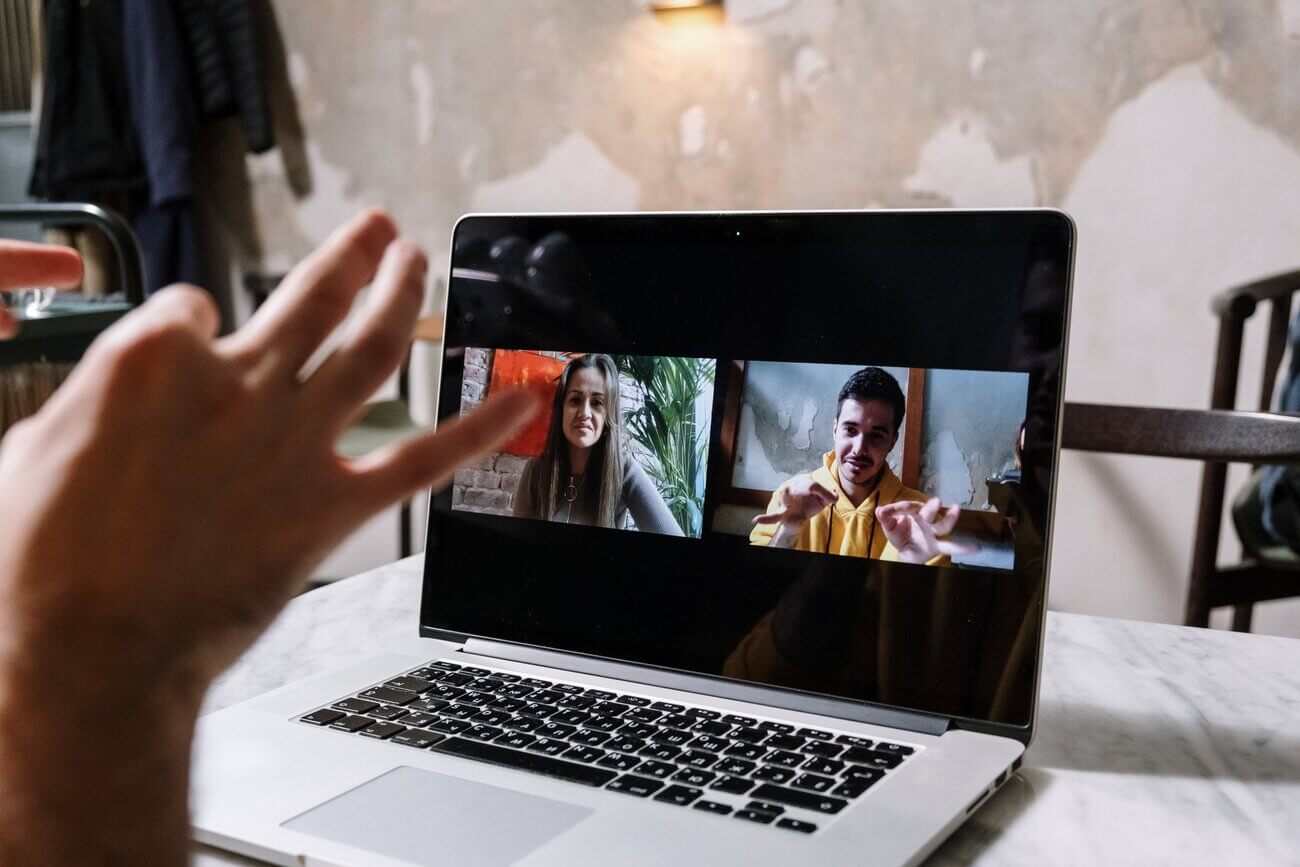
As Generation Z (Gen Z) makes its mark on the workplace, cultural competency will be more important than it’s ever been. This generation cares deeply about politics, social issues, and emotional well-being; what might be a huge culture shock for some will be a once-in-a-lifetime learning opportunity for others.
Employees who can navigate the multi-generational workforce will be vital. The focus should no longer be on what makes us different, but rather on how we can enhance each other’s experience in the workplace.
While older generations (e.g., Boomers) may not be the most technologically literate, they bring invaluable experience and wisdom to the table. On the other hand, Gen Z has only ever known crisis: politics, civil rights, climate change, housing, economy, etc. There’s a reason why they act so differently, and that shouldn’t be a scary thing. Gen Z brings an enormous amount of social awareness, inclusivity, sustainability, and internet knowledge to the workplace.
Chances are that a strong culture fit will be the most determining factor considered when hiring within the next decade, and although this will minimise misunderstandings and language barriers in the workplace, effective communication skills will be vital for the everyday of every company.
4. Emotional Intelligence: Speaking to the Person Behind the Mask

Remote work is here to stay, and hybrid teams are the new norm. In this new era, emotional intelligence plays an even bigger role in maintaining strong team dynamics online. Being an emotionally mature person means understanding colleagues, demonstrating empathy, and knowing how to give and receive feedback, which is key to building trust and fostering a positive workplace culture.
The World Economic Forum’s Future of Jobs Report (2023) shares that those qualities under the emotional intelligence umbrella, such as resilience, lifelong learning, and self-awareness, are already highly prized by employers and that this trend will only progress as time goes on. Self-regulation is a big part of this. Leaders who can comfortably take risks will soar in a world where businesses move fast to stay competitive.
Employers want to know that you can remain calm and adaptable when things change unexpectedly and that not only can you navigate change, but also lead others through it. Whether it’s managing your own stress, reading the room during a meeting, or resolving conflicts between colleagues. Having high emotional maturity means you’ll excel at building relationships, understanding others, and collaborating more effectively.
5. Tech Savviness: It’s Not About Being a Geek

In 2026, there’s a good chance that most repetitive tasks in your industry are now automated. That’s where being tech-savvy comes in. It’s not about being a computer scientist; it’s about learning the relevant skills to drive success. Employers will be looking for people who can easily utilise the power of evolving tech to solve problems, streamline workflows, and collaborate with teams remotely.
The rapid prototyping of artificial intelligence (AI) means that it will become an active part of our lives within the next decade, more so than it already is. Gartner’s Research (2019) suggested that 80% of current project management tasks will be run by AI in 2030. This doesn’t mean that AI will take over your job, but it does mean that whole industries will need to adapt and incorporate AI as a tool for productivity. Project managers will need to develop skills in prompt engineering and learn how to implement and manage safe AI practices in the workplace.
Moving forward, the most sought-after employees will be those who can combine digital know-how, holistic thinking, effective communication, emotional intelligence, and strategic leadership.
These five strategic skills will be essential for individuals looking to thrive in the present workplace and for organisations aiming to stay competitive in a rapidly changing landscape. By focusing on these skills and upskilling further, employees can be prepared for the opportunities and challenges ahead.
Ready for a thrilling career? Get started today with an CMI leadership qualification 100% online!
Career Change After 40: Is It Too Late?

18 June 2026 - 4 min read
How Education Changed the Course of Women’s History
03 March 2026 - 5 min read
What is the Confidence Gap? Causes, Impact and How to Close It
27 February 2026 - 5 min read
